
What Is Regenerative Farming
And Why It Matters
Regenerative Farming: A Return to Common Sense
Regenerative farming is about working with nature instead of against it. It rebuilds soil, restores ecosystems, and produces healthier food — all while reducing environmental impact.
Core Principles
Minimal or no tilling
Cover cropping
Diverse plant species
Compost and natural fertilizers
Livestock integration
Zero synthetic chemicals
Why Regeneration Matters
Regenerative farming directly impacts:
Nutrient density of food
Carbon sequestration
Pollinator health
Water retention
Long‑term farm resilience
The Science Behind Regeneration
Healthy soil stores carbon. Unhealthy soil releases it.
Regenerative practices can increase soil organic carbon by 20–30% within a few years (Lal, Science, 2004). Higher carbon means:
Better water infiltration
Stronger microbial networks
More nutrient availability
Greater climate resilience
The Fun Part
Regenerative farms look alive:
Wildflowers everywhere
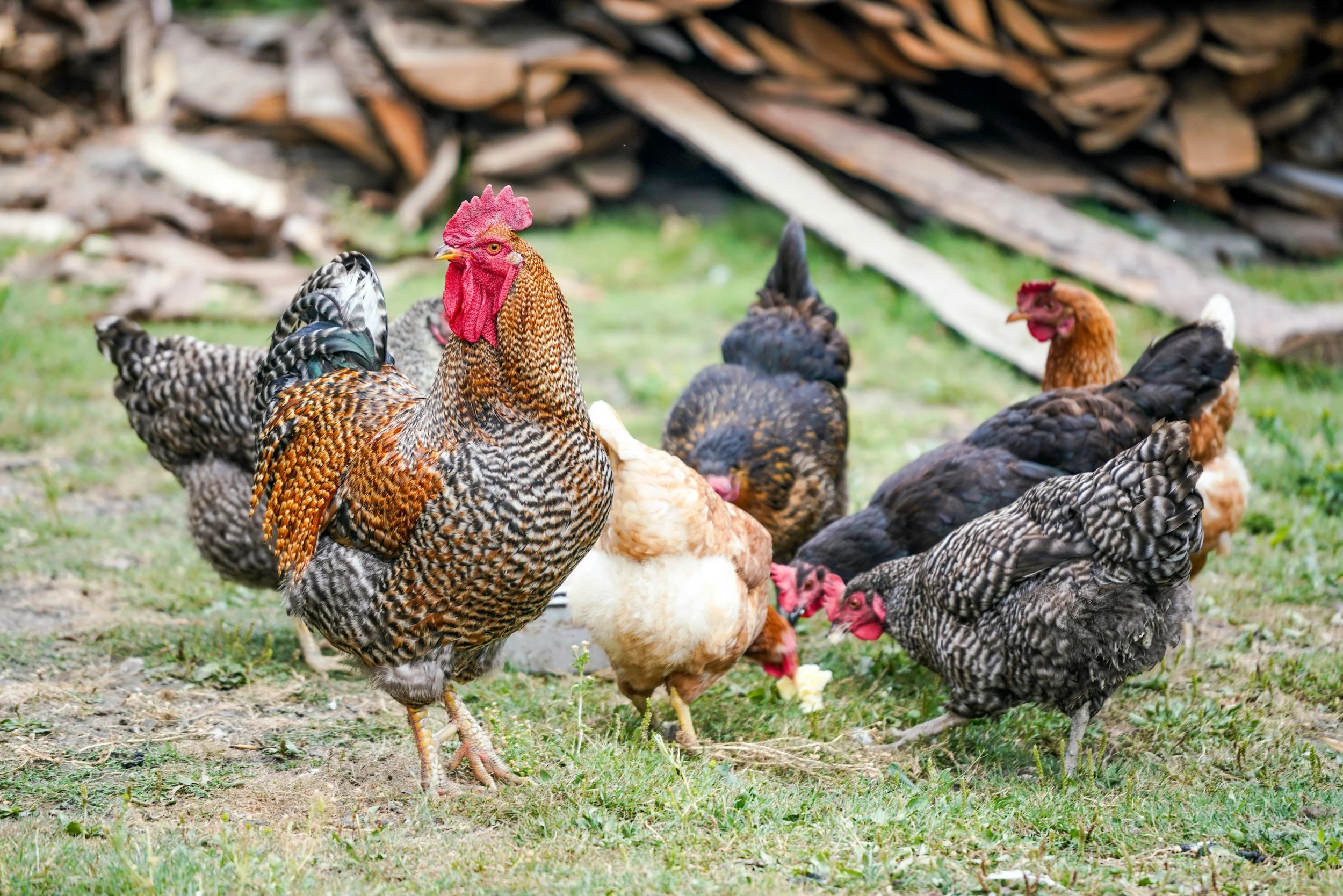
Chickens mowing grass in tractors
Compost piles steaming like tiny volcanoes
Bees, butterflies, and birds returning
It’s messy, vibrant, and full of life — exactly how nature intended.